28 Brown to Blonde Balayage Ideas That Grow Out Beautifully
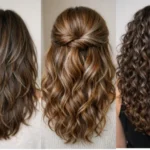
Brown to blonde balayage works because it doesn’t force a choice. You keep the depth of brunette hair while adding light where it actually matters. When it’s done well, the color shifts naturally, catching light in some areas and staying grounded in others.
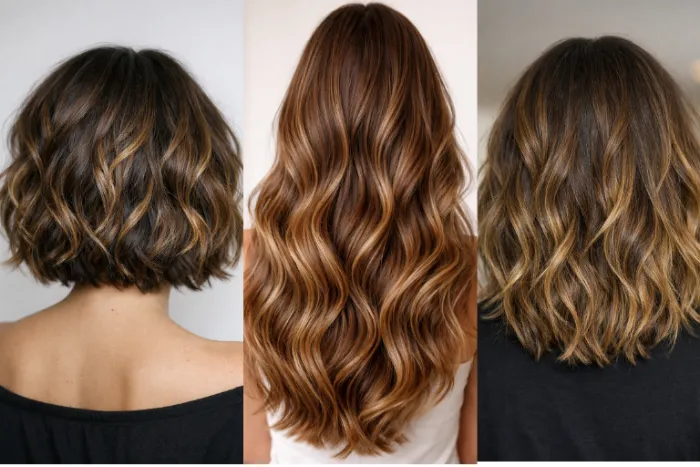
What separates a good balayage from a forgettable one is restraint. The most wearable versions don’t chase contrast for the sake of it. They focus on placement, softness, and how the color grows out over time.
This roundup looks at brown to blonde balayage ideas that feel current but not overdone. Some lean warm, others cool. Some are subtle, others more defined.
All of them prioritize balance, movement, and a finish that still looks good weeks after leaving the salon.
1. Soft Ash Blonde Balayage with Loose Waves
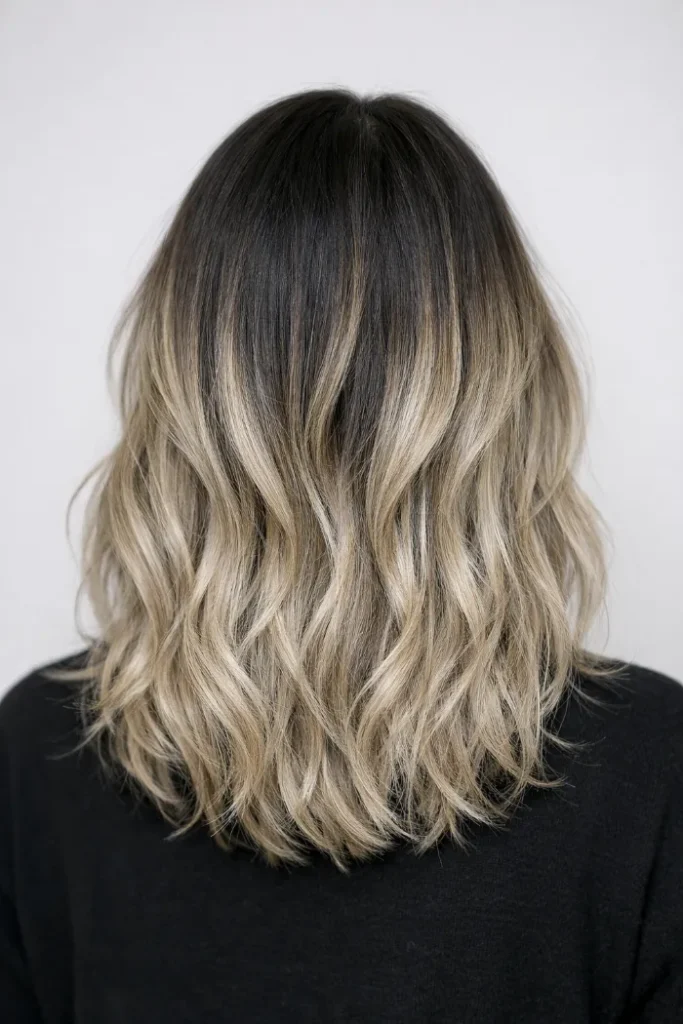
This look blends a cool ash blonde through the mid-lengths, keeping the darker base visible at the roots. The contrast feels natural rather than sharp.
Loose waves break up the color placement, which helps the lighter tones read softer and less processed overall.
2. Brown Balayage with Subtle Blonde Highlights
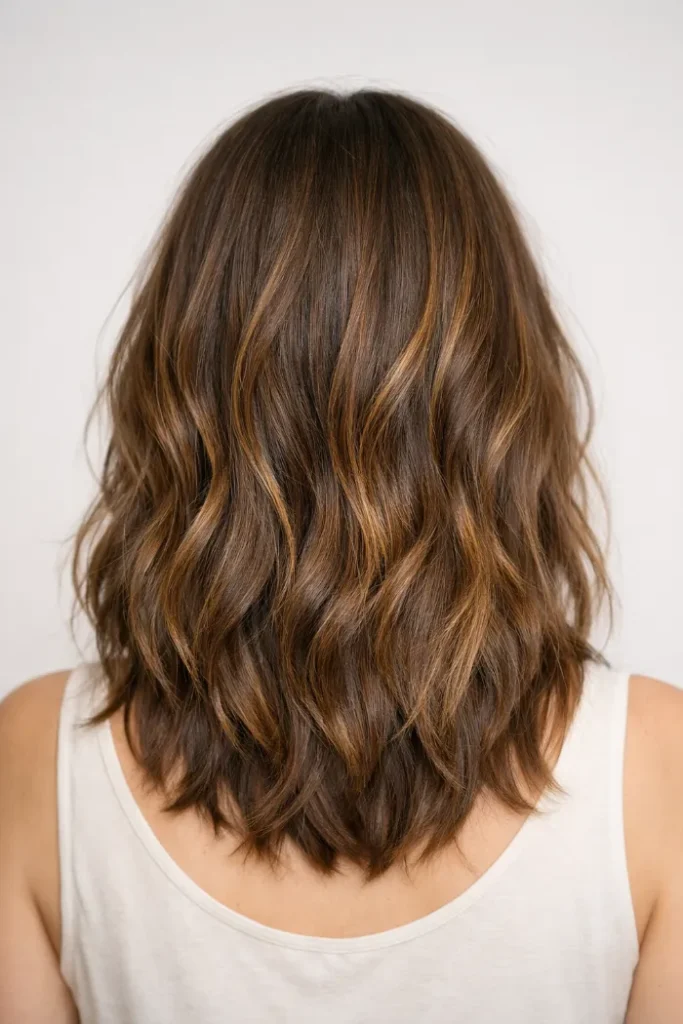
The blonde is worked in fine sections, so it lifts the brown base without taking over the look. Nothing feels streaky or overly bright.
It’s a good option if you want dimension but still prefer your hair to read mostly brunette from a distance.
3. Brown to Blonde Ombre Balayage
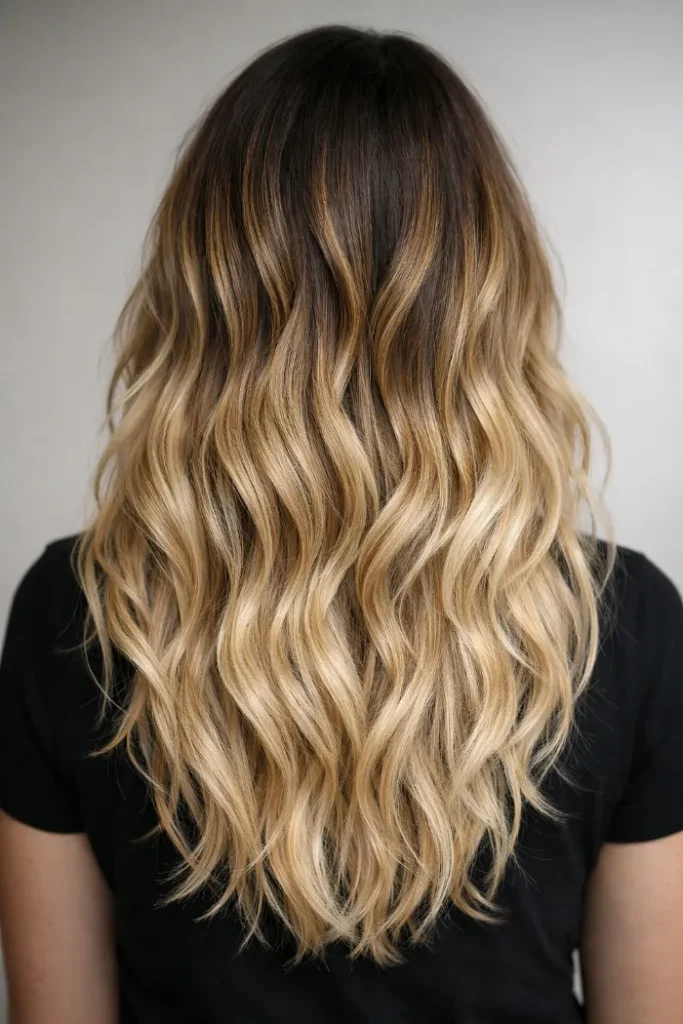
This version leans into a gradual fade, with color staying deeper through the crown before lightening toward the ends. The transition is smooth and controlled.
Because the blonde sits lower, regrowth is less noticeable and maintenance stays fairly simple between appointments.
4. Warm Balayage Waves with a Soft Glow
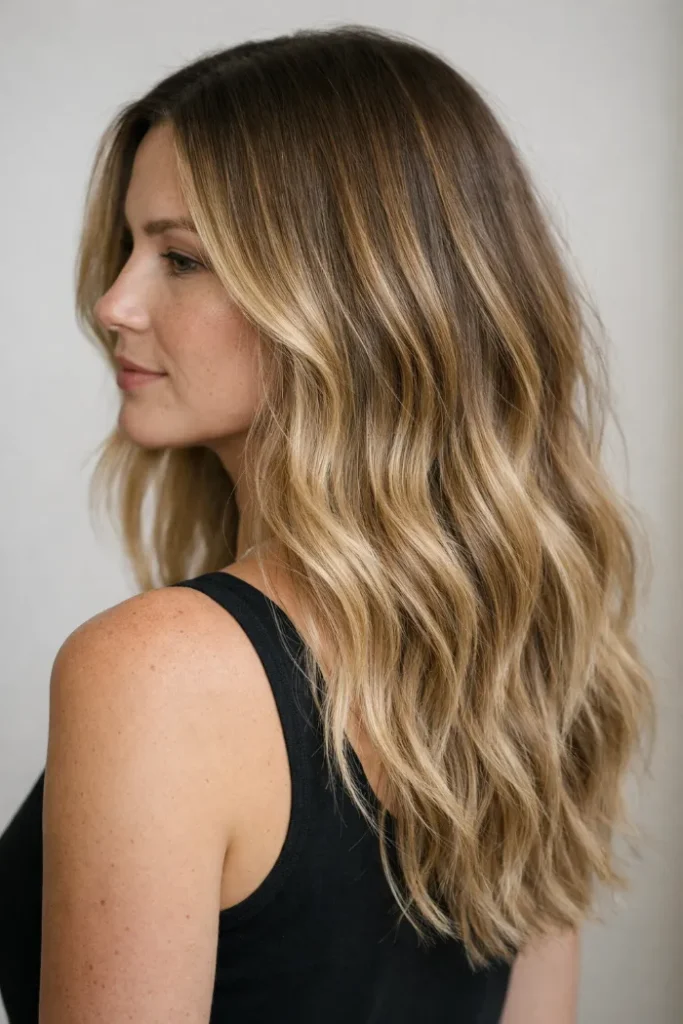
Warm blonde tones are blended through the lengths, giving the hair a gentle, sunlit finish. The brown base keeps everything grounded.
The waves help reflect light unevenly, which adds depth and prevents the color from looking flat or overly polished.
5. Natural Brown to Blonde Balayage Waves
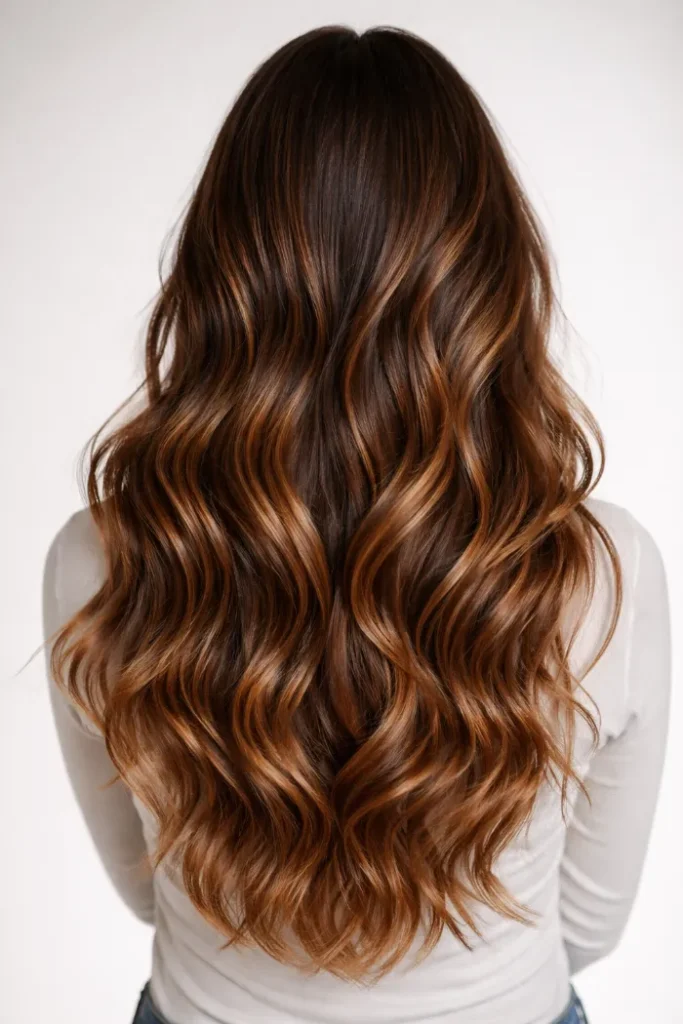
This balayage stays close to natural shades, with blonde woven lightly through the mid-sections. The brown base remains dominant.
It works well if you want a noticeable change without committing to a high-contrast look that feels too bold or trendy.
6. Brown Balayage with Cascading Blonde Curls
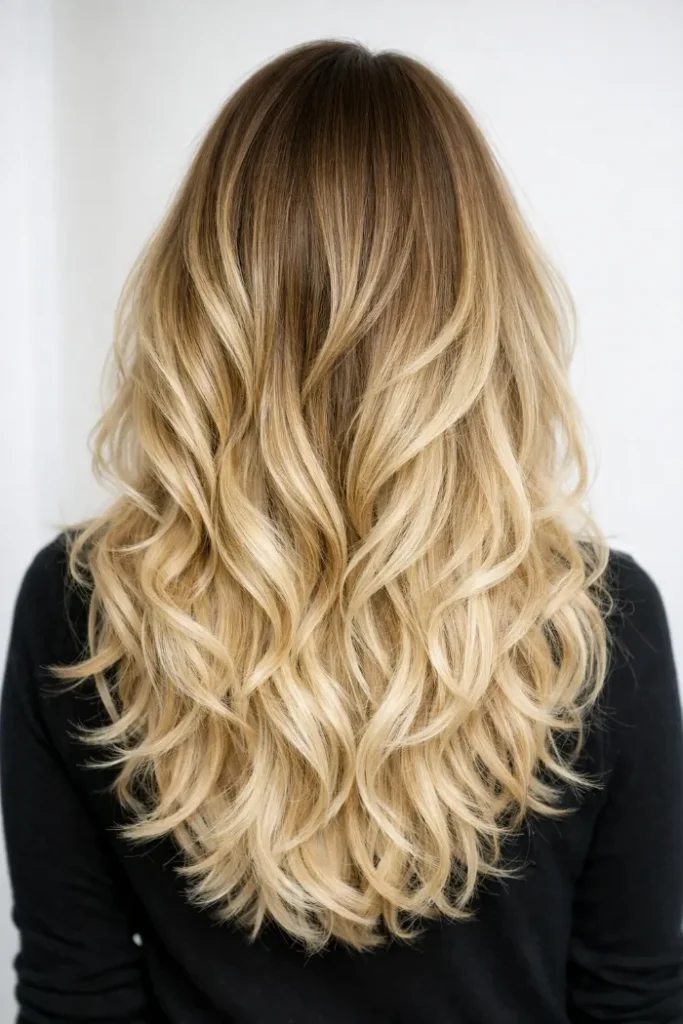
The blonde is placed to follow the curl pattern, which keeps the color looking intentional rather than scattered. Each curl holds a slightly different tone.
That variation gives the hair movement and makes the color feel fuller, especially through the ends.
7. Soft Blonde Balayage on Medium-Length Waves
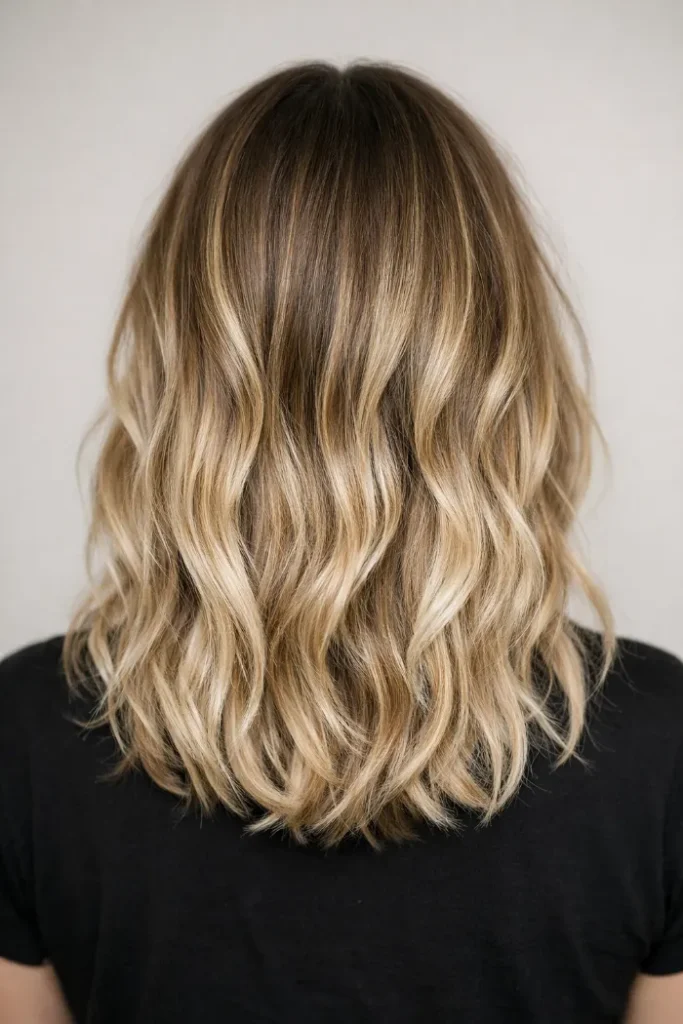
Here, the blonde is diffused and understated, blending gradually into the brown rather than sitting in obvious sections.
The waves soften the overall shape, helping the lighter pieces melt into the darker base without drawing attention to any harsh lines.
8. Brown to Blonde Balayage with Defined Waves
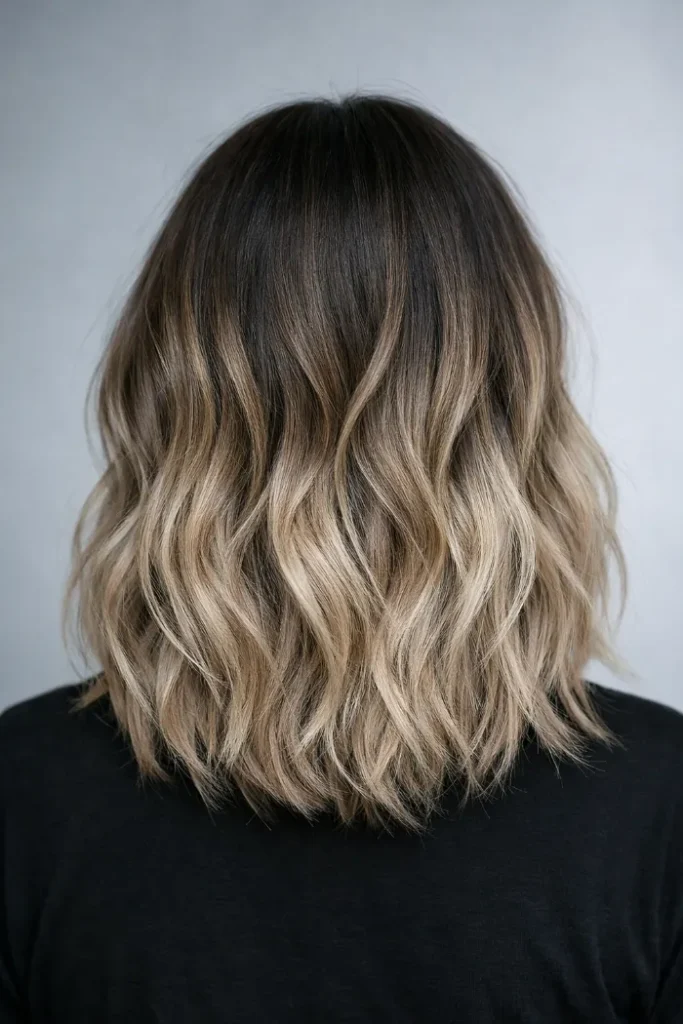
This look uses clearer contrast, with blonde pieces standing out more against the brown background. The placement still feels controlled.
Defined waves help separate the tones visually, giving the color more depth while keeping the style structured and intentional.
9. Blunt Bob with Brown to Blonde Gradient
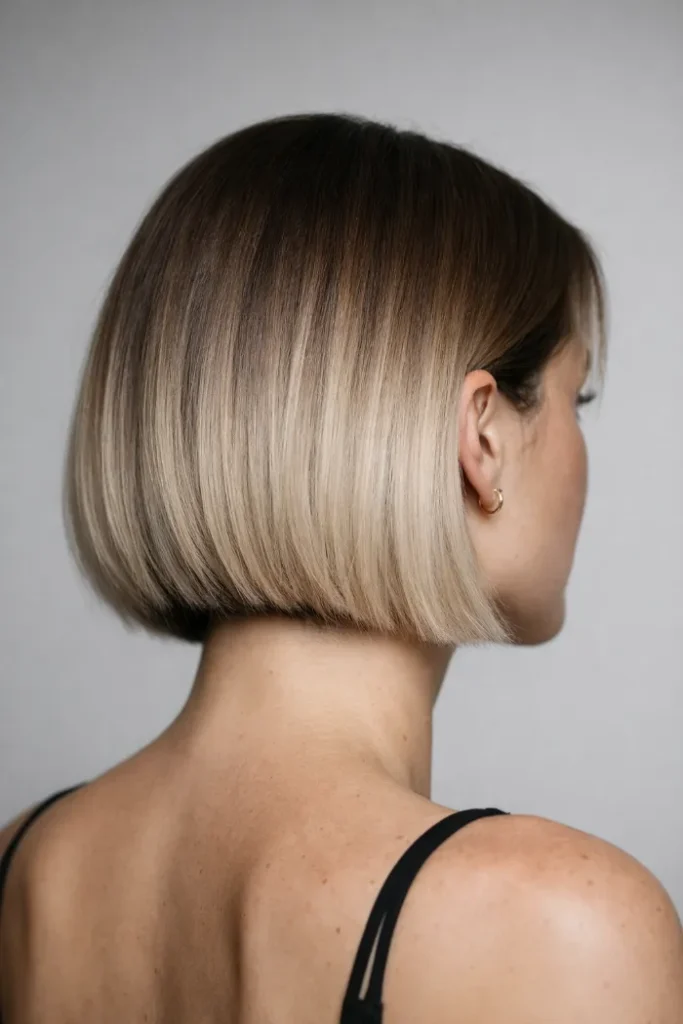
The blunt cut keeps the shape clean, while the color fades from brown at the roots into blonde near the ends. The gradient is subtle but noticeable.
Because the line is sharp, the soft color transition prevents the bob from looking too heavy or severe.
10. Copper-Toned Brown to Blonde Balayage
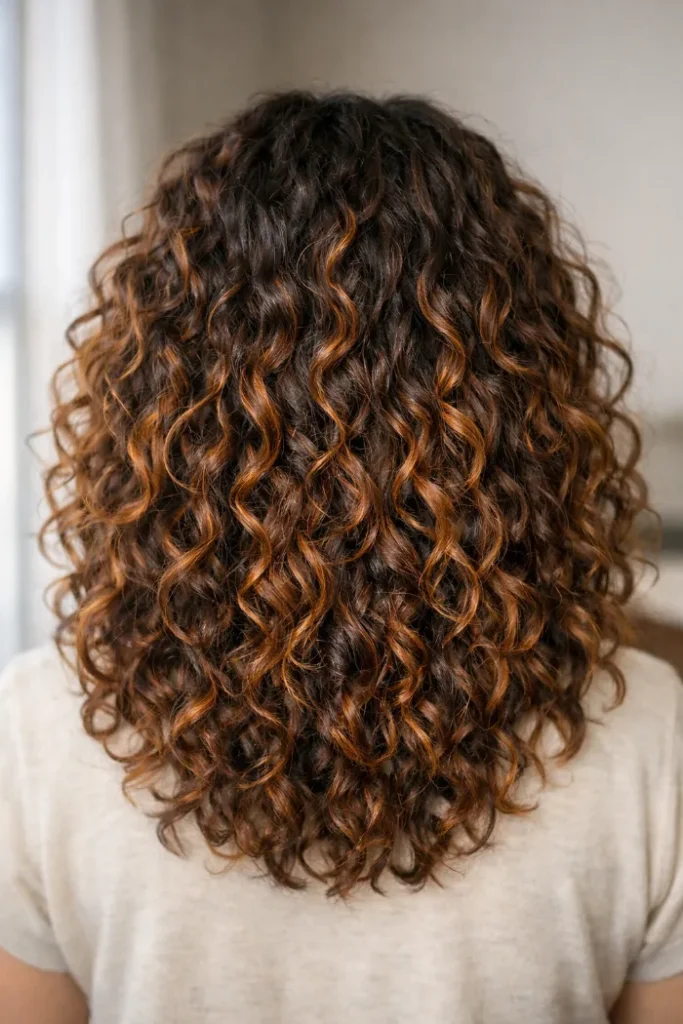
Warm copper notes bridge the gap between brown and blonde, creating a richer transition than cooler shades would allow.
It’s especially flattering if you prefer warmth in your color, as it adds brightness without pushing the blonde too light.
11. Curly Brown Hair with Caramel Balayage
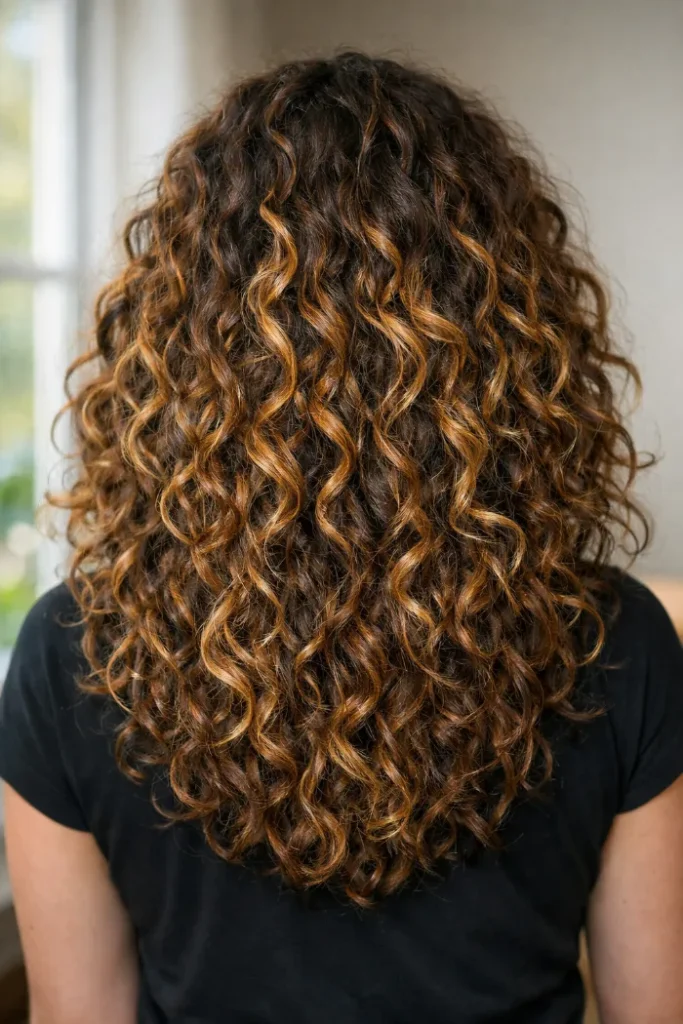
Caramel highlights are placed to follow the curl pattern, which keeps the color from looking patchy or forced. Each curl catches light differently.
The brown base stays visible throughout, grounding the warmth and preventing the highlights from overpowering the natural texture.
12. Face-Framing Blonde Balayage on Soft Waves
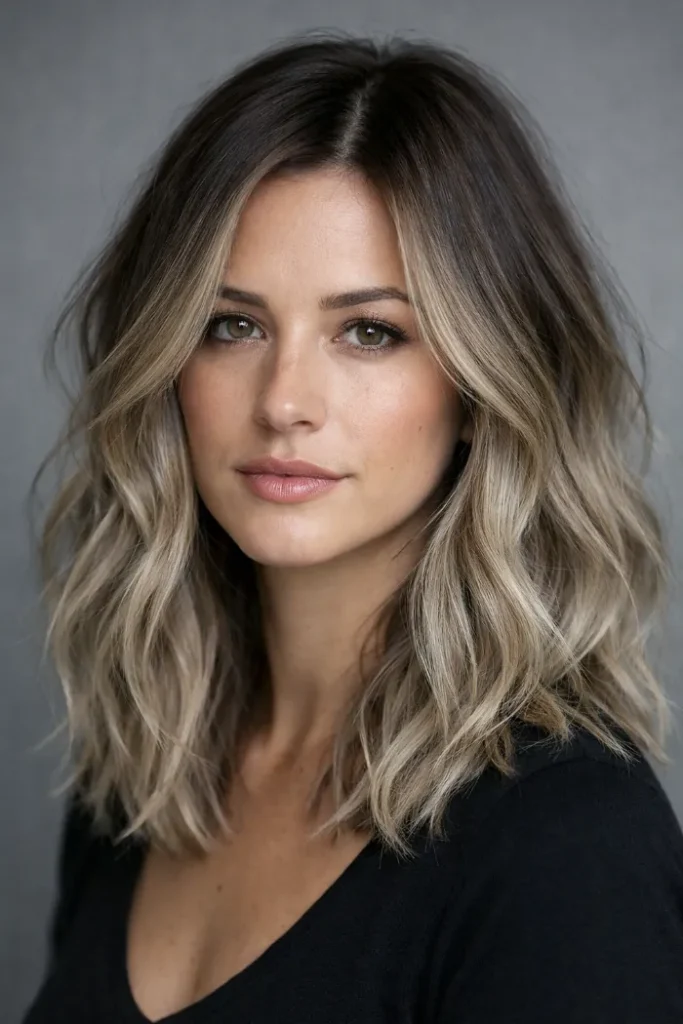
Lighter pieces are concentrated around the face, subtly brightening the overall look without shifting the base color too far blonde.
The rest of the hair stays softly blended, which keeps the contrast balanced and helps the color grow out without sharp lines.
13. Glossy Brown to Blonde Balayage
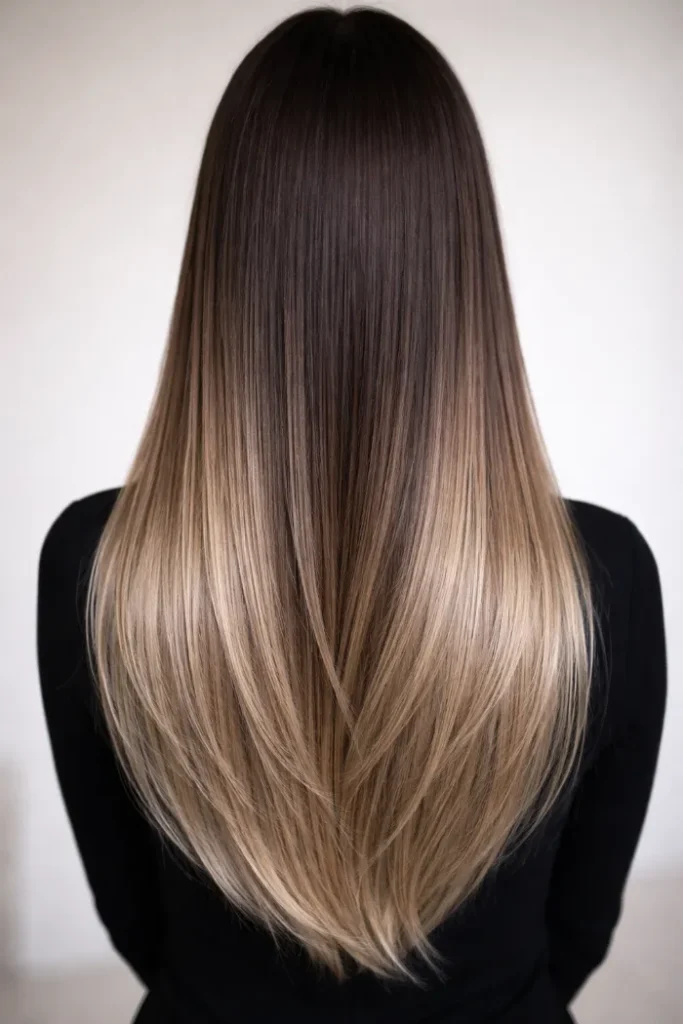
This balayage focuses on smooth blending rather than high contrast. The blonde is polished but controlled, sitting cleanly over the darker base.
The finish looks especially reflective, making it a good option if you prefer shine and structure over texture-heavy styling.
14. Golden Brown to Blonde Balayage
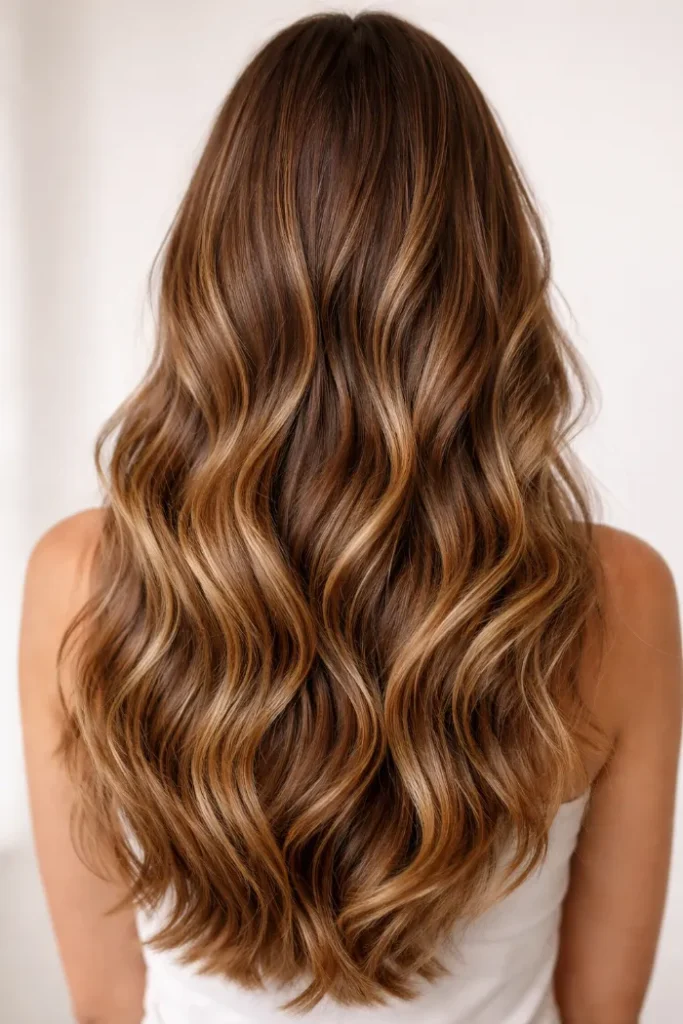
Golden tones soften the transition from brown to blonde, giving the color a warmer, more luminous feel. Nothing looks overly cool or muted.
It’s an easy choice if you want brightness that still feels natural and works well with warmer skin tones.
15. Honey Blonde Balayage on Medium Lengths
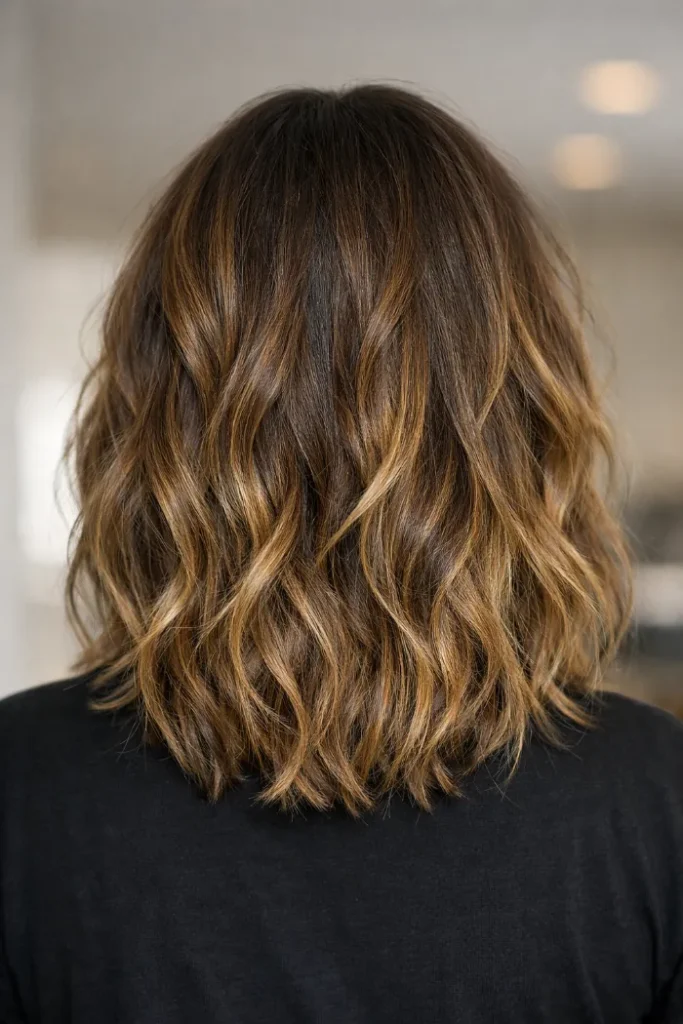
Honey blonde sits comfortably between brown and blonde, creating a gentle contrast that doesn’t feel drastic. The color reads warm but controlled.
It’s especially practical if you want a lighter look without committing to frequent toning or high-maintenance upkeep.
16. Icy Blonde Balayage with Dark Roots
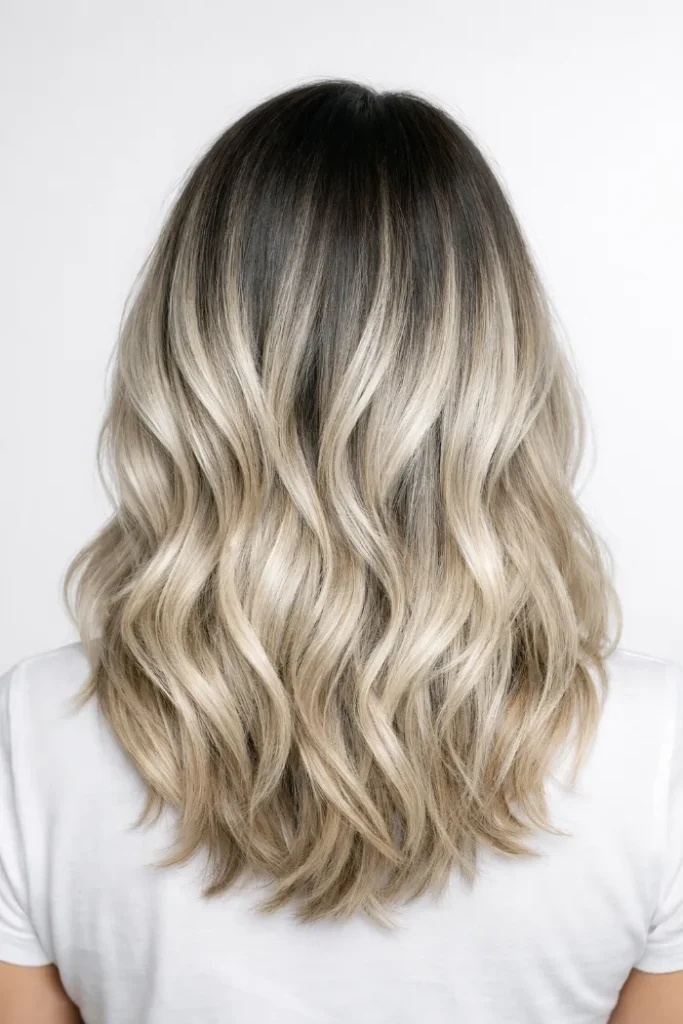
The darker root area keeps this icy blonde grounded, preventing it from feeling too stark. The cool tones are intentional but restrained.
Because the blend is gradual, the color grows out softly, making it easier to maintain than a full, root-to-tip blonde.
17. Tousled Icy Blonde Bob
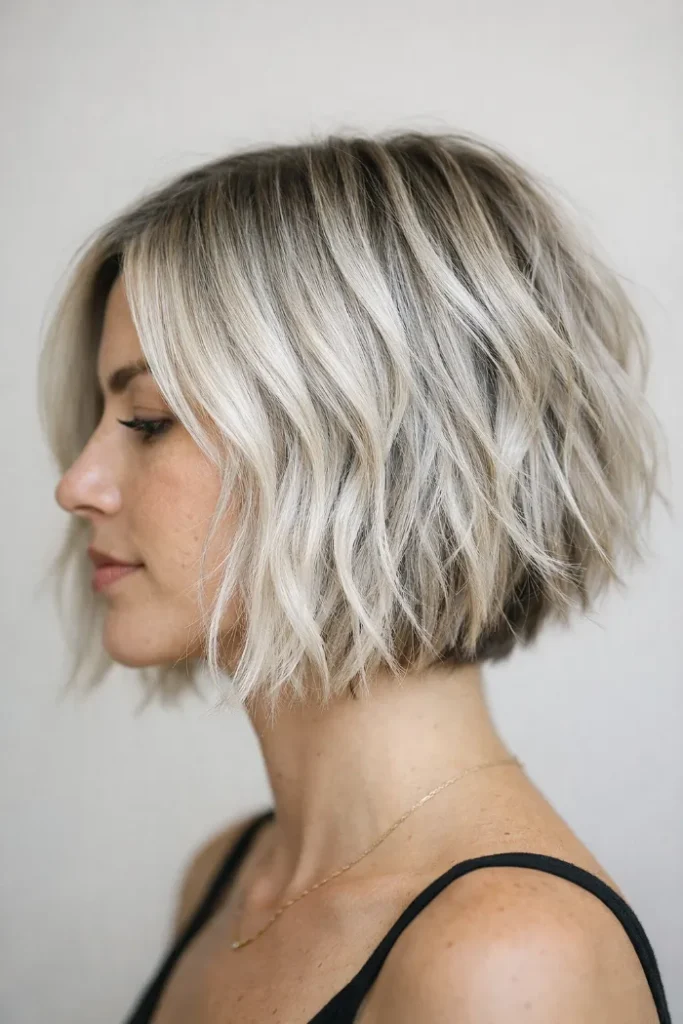
This bob pairs cool blonde tones with a slightly undone texture, keeping the cut from feeling too sharp or severe.
The tousled finish breaks up the color placement, which adds movement and makes the blonde feel lighter through the ends.
18. Layered Beige Blonde Balayage
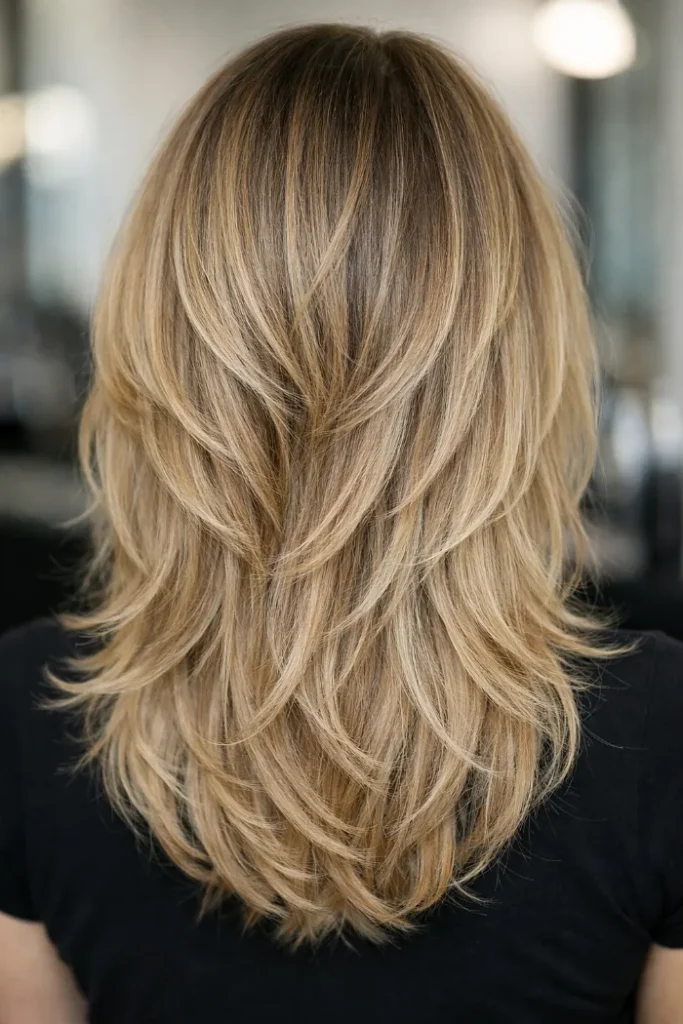
Beige blonde tones are layered carefully through the lengths, softening the brown base without washing it out. The result feels neutral and balanced.
The layering helps the color shift naturally with movement, giving the hair dimension without relying on strong contrast.
19. Soft Ombre Waves from Brown to Blonde
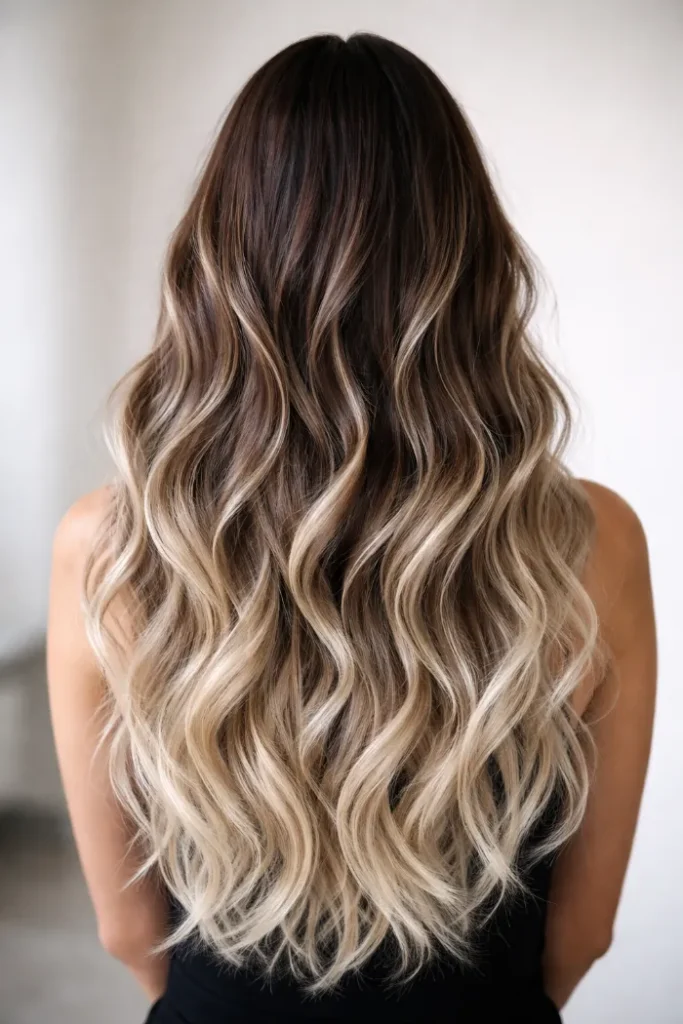
This look leans into a gradual fade, with brown staying dominant through the crown before melting into blonde near the ends.
The waves help disguise the transition, keeping the ombre subtle and making the color feel relaxed rather than overly styled.
20. Pixie Cut with Blonde Balayage
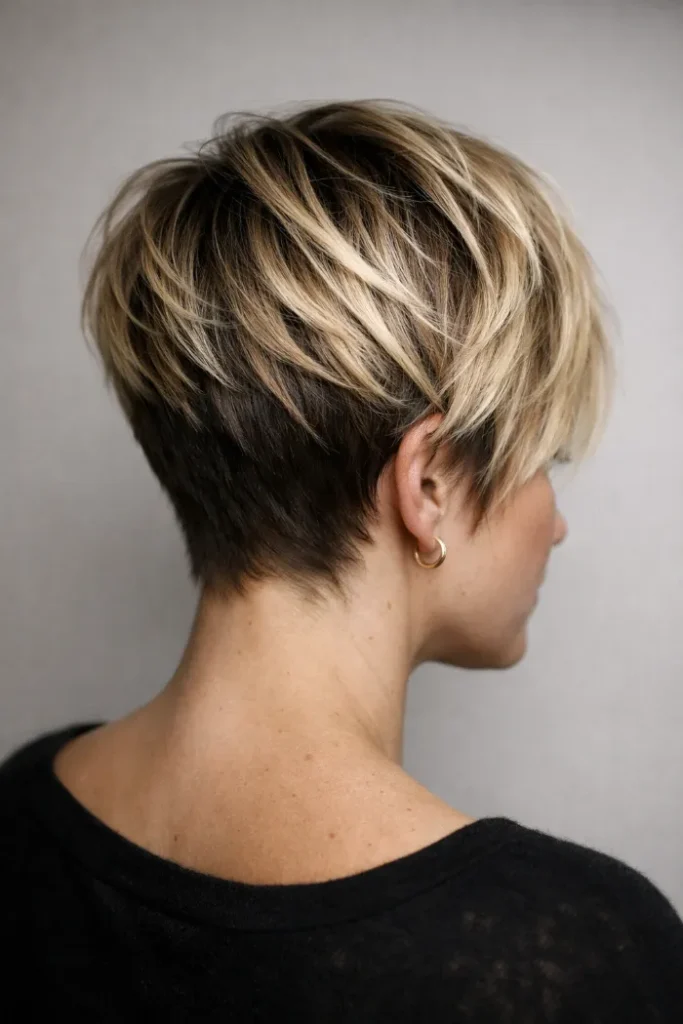
Blonde balayage adds lightness through the top layers of this pixie, creating contrast without losing depth at the roots.
The darker base keeps the cut grounded, while the lighter pieces bring definition and prevent the style from looking flat.
21. Soft Brown to Blonde Balayage with Natural Waves
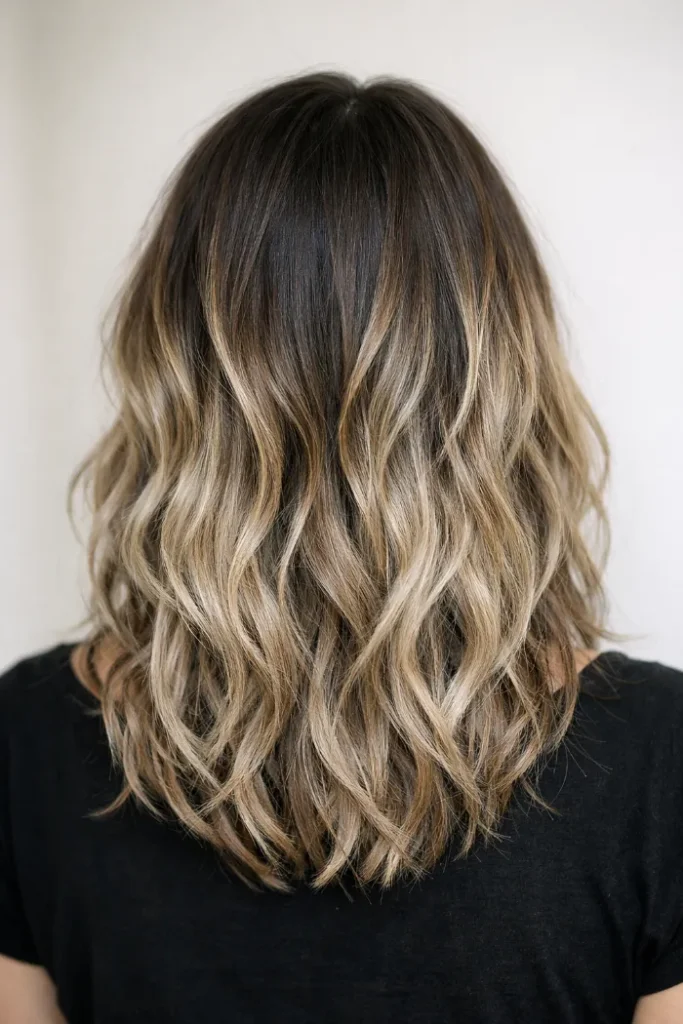
This look keeps the color understated, with blonde blended gently through the mid-lengths rather than pushed too bright. The darker base stays intact.
Natural waves help soften the transition, making the balayage feel lived-in and easy rather than overly styled or deliberate.
22. Tousled Balayage Highlights on Short Layers
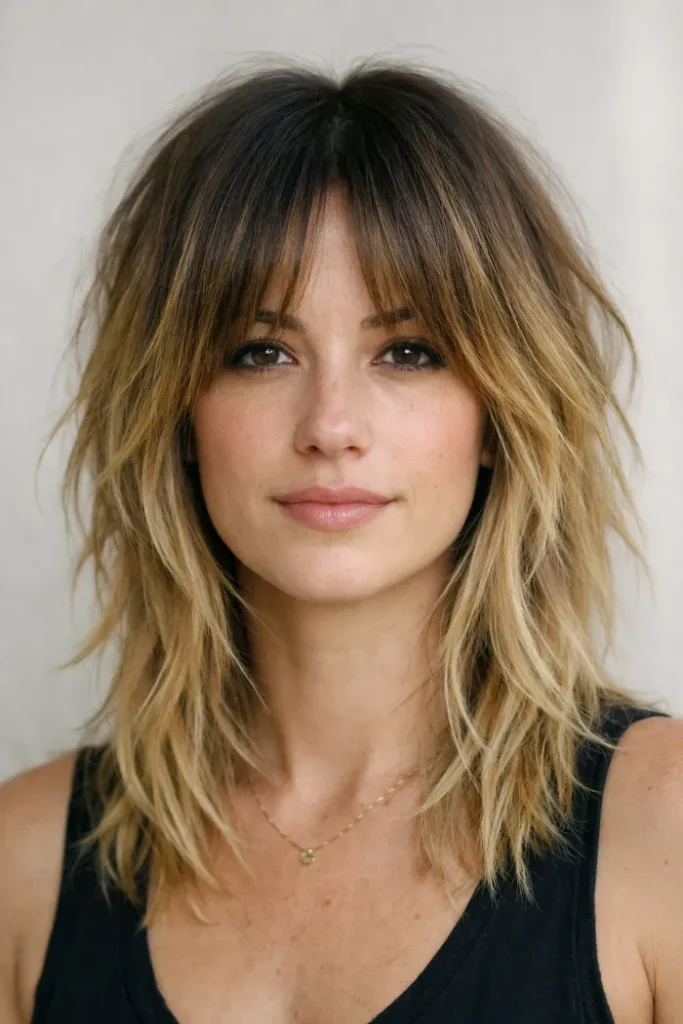
Light balayage highlights are scattered through short layers, giving the hair dimension without obvious contrast. Nothing feels overly precise.
The tousled finish keeps the look relaxed, which works especially well if you prefer texture and movement over a polished, styled appearance.
23. Wavy Bob with Subtle Blonde Balayage
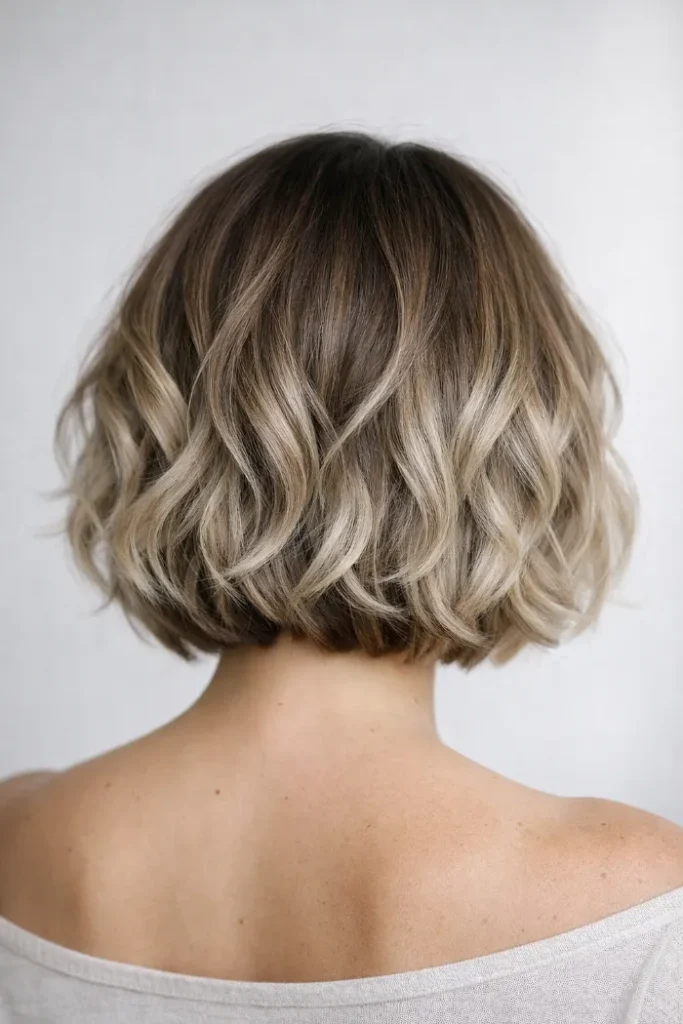
This bob uses soft waves to break up the color, allowing the blonde to blend naturally into the brown base. The result feels balanced and controlled.
Because the balayage is restrained, the cut keeps its shape without the color overwhelming the shorter length.
24. Wavy Bob with Caramel Blonde Highlights
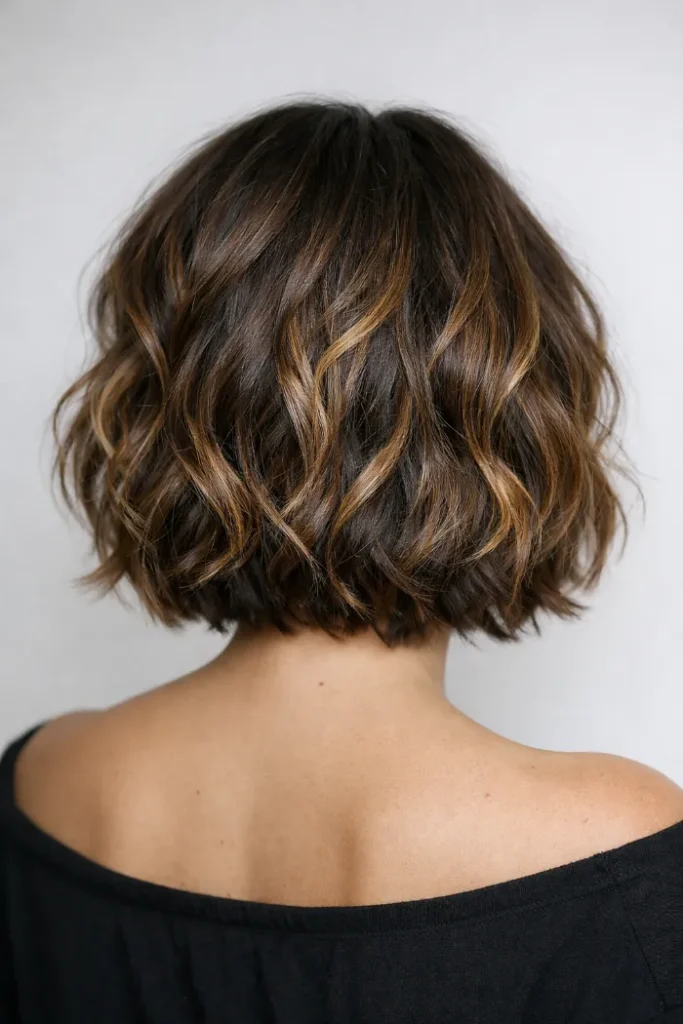
Caramel highlights add warmth through the waves, giving the bob a richer finish than cooler blonde tones would. The brown base remains visible throughout.
The warmth helps the texture stand out, making the waves look fuller while keeping the overall color grounded and wearable.
FAQ
How often does brown to blonde balayage need maintenance?
Most brown to blonde balayage styles don’t require frequent touch-ups. Because the darker base is left intact, many people can go three to four months between appointments, depending on how light the blonde is and how quickly their hair grows.
Is brown to blonde balayage damaging to hair?
It can be, but it doesn’t have to be. When the lightening is concentrated through the mid-lengths and ends rather than the roots, the hair tends to hold up better. The key is avoiding overly aggressive lightening in one session.
Should I choose warm or cool blonde tones?
That usually comes down to personal preference and how much upkeep you want. Warmer blondes tend to fade more softly and require less toning, while cooler blondes look sharper but often need more maintenance to stay fresh.
Wrap-Up
The best brown to blonde balayage isn’t about how light you go. It’s about how well the tones work together and how the color fits into your day-to-day life. A slightly darker root, a softer blend, or a warmer finish can make all the difference.
If you’re choosing a style from this list, pay attention to what feels manageable as well as what looks good in photos. The most successful balayage is the one that still feels like your hair, just lighter, brighter, and easier to live with.